Buying Guides · updated 2026-10-31
Reolink vs Hikvision vs Dahua: Which Camera Brand Suits You?
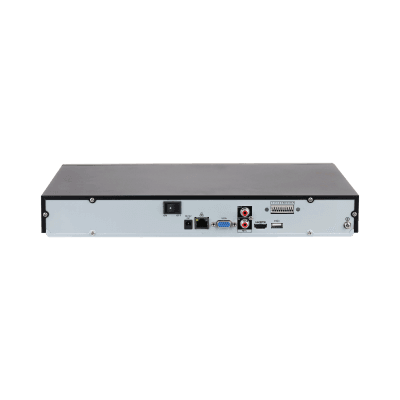
Reolink, Hikvision and Dahua are three of the most common names in European video surveillance. All three make capable cameras, but they are built around different ideas of who installs and manages the system. Choosing the brand that suits how you work matters more than any single specification. With long, dark evenings now here, it is a good time to get this choice right before winter sets in.
Three Brands, Three Approaches
The simplest way to understand the difference is to look at the intended user.
- Reolink is aimed at home owners and DIY installers. Its cameras are designed to be set up from a phone app in minutes.
- Hikvision is one of the world's largest surveillance manufacturers. Its main range is aimed at professional installers and businesses. Its consumer sister brand is EZVIZ.
- Dahua is also a large professional manufacturer with a similar installer focus. Its consumer sister brand is Imou.
If you like the look of Hikvision or Dahua but want something simpler, EZVIZ and Imou offer a more app-centred experience with similar engineering behind it.
Reolink: Strengths and Limits
Reolink's appeal is simplicity. Its range covers PoE cameras (the RLC line), battery and solar cameras (the Argus line), 4G cameras (the Go line), dual-lens models and indoor cameras. Its own NVRs and the Reolink Home Hub can store footage locally.
What works well:
- A straightforward app and desktop client, with most settings explained in plain language.
- Local recording to microSD card, NVR or Home Hub without needing a subscription.
- A wide choice of wire-free options for places without cabling.
- Many PoE models support RTSP and ONVIF, so you can use them with third-party recorders.
Things to keep in mind: battery-powered models are built around the Reolink ecosystem and generally do not offer the same third-party integration as PoE models. For larger business sites, Reolink offers fewer options for centralised management than the professional brands.
Hikvision: Strengths and Limits
Hikvision's professional range is extensive. It covers IP cameras, Turbo HD analogue cameras (HD-TVI), NVRs, intercoms, access control and alarm products. You can usually recognise its IP cameras by the "DS-2CD" prefix in the model name. Varifocal 8MP bullets with motorised zoom are a popular choice for driveways and car parks.
What works well:
- A very wide range of lenses, housings and sensor options, so you can match the camera closely to the scene.
- Detailed control through the web interface, including exposure, WDR, codec, bitrate and smart events.
- Remote access through the Hik-Connect app, plus desktop software for managing several sites.
- Recorders and cameras from the same brand work together smoothly, including AI detection events.
Things to keep in mind: the number of settings can overwhelm a first-time user, and initial setup takes longer than with consumer brands. Firmware and app compatibility can depend on region, so buy equipment intended for the European market. Some public bodies and regulated organisations have procurement rules about specific manufacturers, so business buyers should check any requirements that apply to them.
Dahua: Strengths and Limits
Dahua's range is similar in breadth to Hikvision's. It includes IP cameras, HDCVI analogue cameras, NVRs and accessories. Its model names describe the housing. For example, "IPC-HFW" usually indicates a bullet, "IPC-HDW" an eyeball or turret, and "IPC-HDBW" a vandal-resistant dome.
What works well:
- Strong low-light and AI product lines at several performance levels.
- Remote viewing through the DMSS app and management through desktop software.
- Active-deterrence models that combine a camera, warning light and siren in one housing.
Things to keep in mind: like Hikvision, Dahua is designed with installers in mind, so the menus are detailed rather than simple. The same advice about regional firmware applies.
Night Vision and AI: Decoding the Marketing Names
At northern latitudes, cameras spend most of the day in night mode during winter. Each brand uses its own names for its low-light and detection technologies, which makes comparisons confusing.
- Colour at night: Hikvision calls this ColorVu, Dahua uses "Full-color" and Reolink offers spotlight and colour night vision models. These cameras use bright lenses and, in most cases, a warm white light to show colour after dark.
- Low-light sensitivity: Hikvision's DarkFighter and Dahua's Starlight ranges are designed to produce usable images with very little ambient light.
- AI detection: Hikvision AcuSense, Dahua WizSense and Reolink's smart detection all aim to separate people and vehicles from leaves, rain and animals. This reduces false alerts.
These names describe similar goals, not identical performance. Compare the actual image quality from a camera in conditions like yours, rather than relying on the feature label alone.
Apps, Recorders and Mixing Brands
Most of the day-to-day experience depends on the app and recorder, not the camera itself. The general rule is that a single-brand system gives you the most features. With a Hikvision camera on a Hikvision NVR, or a Reolink camera on a Reolink NVR, AI events, two-way audio, spotlights and firmware management usually work without extra effort.
Mixing brands is possible through ONVIF, but expect compromises:
- Live video and recording normally work.
- Basic motion events often work, but person and vehicle detection may not pass through to the other brand's recorder.
- Camera settings may need to be changed in the camera's own web interface rather than in the NVR.
- Deterrence features such as sirens and lights may not be controllable from the other brand's app.
If you are expanding an existing system, staying with the recorder's brand is usually the least troublesome option.
Which Brand for Which Job?
- Home owner setting up cameras alone: Reolink, EZVIZ or Imou. The setup is quick, the apps are friendly and local storage works without a subscription.
- Cottage, farm or site without cabling: consider Reolink's battery, solar and 4G models, or the consumer-brand equivalents.
- Small business with an installer: Hikvision or Dahua. They offer more lens choices, multi-site management and integration with intercoms and access control.
- Upgrading old analogue CCTV: Hikvision Turbo HD or Dahua HDCVI can reuse existing coaxial cabling, depending on the recorder and cable condition.
- Tech-savvy home owner wanting flexibility: any of the three PoE ranges. Check RTSP and ONVIF support if you plan to use third-party software.
Whichever brand you choose, the basics matter as much as the logo. Use a high-endurance microSD card or a surveillance-rated hard drive, protect outdoor connections from rain and add surge protection on long outdoor cable runs.
Conclusion
No single brand is the best choice for everyone. Reolink is the easiest path for most home owners. Hikvision and Dahua reward installers and businesses that want fine control and room to grow. Decide who will install and manage the system, consider your winter lighting conditions, and stick to one ecosystem where possible. That approach will give you a reliable system through the dark months and beyond.
Request an installation quote View all: Surveillance Cameras →
 Buying GuidesCamera Day/Night Settings: Fix Flicker and Late Switching
 Buying GuidesVarifocal vs Fixed Lens Cameras: When Zoom Is Worth It
 Buying GuidesBullet vs Dome vs Turret Cameras: Which Shape Should You Buy?