Buying Guides · обновлено 2026-10-16
IP Ratings Explained: How Weatherproof Does Your Outdoor Security Camera Need to Be?
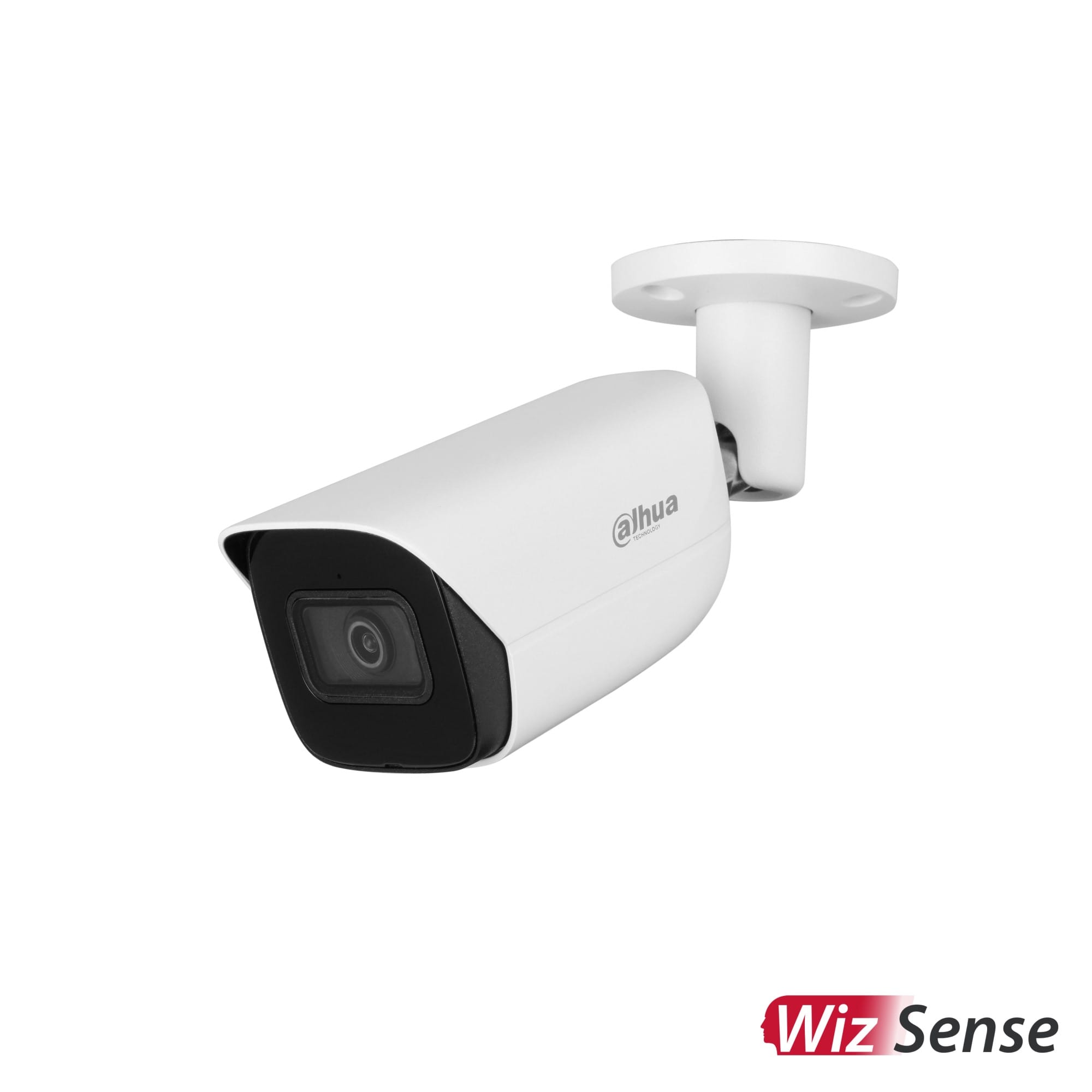
If you are buying a camera for outside your home or business, one code on the spec sheet matters more than almost any other: the IP rating. It tells you whether the camera will survive rain, dust and the occasional pressure wash, or whether it will fog up and die after the first autumn storm. In this guide we break down what those two digits actually mean, which rating you really need, and where weatherproofing quietly goes wrong.
What an IP rating actually means
“IP” stands for Ingress Protection. It is followed by two numbers, for example IP66 or IP67. The first digit describes protection against solids such as dust; the second describes protection against water.
- First digit (solids), 0–6: a 6 is the top score and means the camera is fully dust-tight — nothing gets into the housing.
- Second digit (water), 0–9: a 5 means protection against water jets, a 6 against powerful jets, a 7 against temporary immersion, and an 8 against continuous immersion.
So an IP66 camera is dust-tight and shrugs off heavy rain and hose-down cleaning. An IP67 camera adds resistance to short immersion — useful if the unit sits low on a wall where water can pool, or in a spot prone to flooding.
Which IP rating do you actually need?
For the vast majority of outdoor installations in the Baltic and Nordic climate, IP66 is the practical minimum and IP67 is a comfortable upgrade. Here is a quick way to decide:
- Under an eave or covered porch: IP65–IP66 is plenty. The camera is shielded from direct rain and only needs to handle splashes and damp air.
- Fully exposed wall, gable or pole: choose IP66 or IP67. Wind-driven rain and snow hit these positions directly, year round.
- Low mounting, gates, or near sprinklers: go for IP67. Anywhere water can collect or spray upward deserves the immersion rating.
Indoors, IP ratings barely matter — there you are choosing on resolution and field of view instead. If you are still weighing sensor detail, our guide on how many megapixels you actually need is a good next read.
IK ratings: the other number worth checking
Weather is not the only threat outdoors. Some cameras also carry an IK rating, which measures resistance to physical impact and vandalism. An IK10 housing withstands a serious blow — important for cameras mounted within reach at entrances, car parks and commercial premises. A weatherproof camera is not automatically vandal-proof, so if the unit is reachable, look for both a strong IP and a high IK rating.
Where weatherproofing quietly fails
A high IP rating on the box does not guarantee a dry camera in year three. The failure points are almost always at the edges of the install, not the camera body:
- The cable entry. Water travels along the cable and into the connector. Use the supplied gland, seal the RJ45 or power joint, and never leave a cut cable end exposed to the sky.
- The mounting surface. Drill downward-angled holes and use weatherproof sealant so rain cannot run behind the bracket and into the wall.
- Cable choice. For a wired run, outdoor-rated cable matters. If you are deciding how to power and connect an exposed camera, see PoE, Wi-Fi or 4G and, for spots with no socket, powering a camera where there is no socket.
Cold, heat and condensation
IP ratings cover rain and dust, but not temperature. Check the camera’s operating temperature range too — a good outdoor unit will be specified down to around −30 °C and up to +60 °C. Sudden temperature swings can cause internal condensation, which is why quality cameras include desiccant and sealed optics. If your camera also needs to see in the dark once it is mounted outside, our explainer on infrared vs colour night vision covers what to expect after sunset.
The short version
For an exposed outdoor camera, aim for IP66 as a minimum, IP67 where water can pool, and add IK10 if the unit is within arm’s reach. Then install it properly — sealed cable entry, angled fixings, outdoor-rated cable — because most “faulty” outdoor cameras are really just installation leaks.
Ready to choose hardware? Browse weather-rated IP cameras and PoE cameras built for permanent outdoor use, or explore the full video surveillance range to plan a complete system.
 Buying GuidesЦилиндрическая, купольная или турельная камера: что выбрать?
 Buying GuidesКамеры наблюдения в дождь: без капель, размытия и ложных тревог
 Buying GuidesКамеры «рыбий глаз»: когда нужен панорамный обзор 360°