Buying Guides · atualizado 2026-10-16
What Is PoE? Power over Ethernet Explained for Home Security Cameras
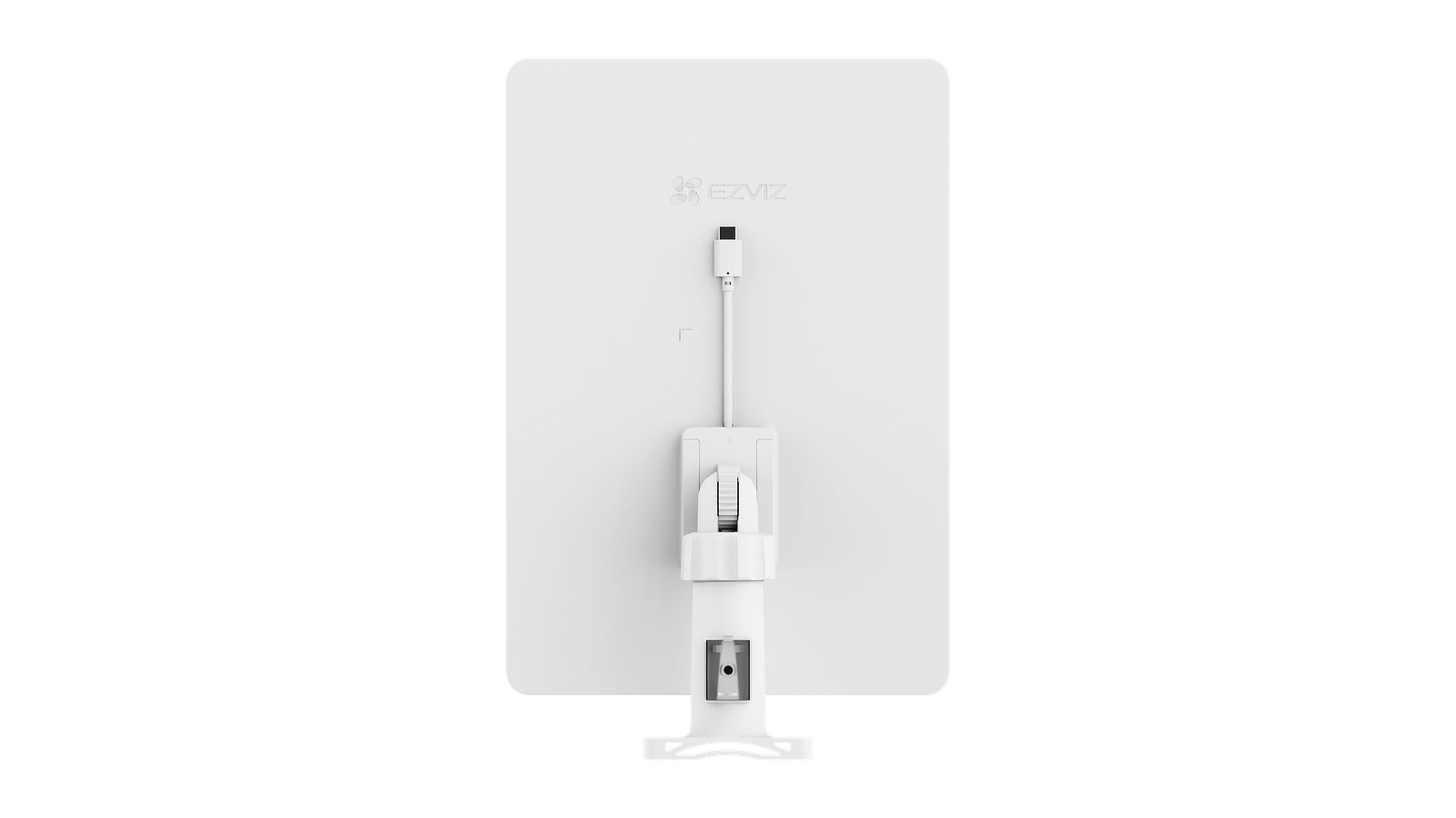
If you have compared wired security cameras, you have run into the term PoE. It is one of those abbreviations that sounds technical but describes a beautifully simple idea: one network cable carries both the camera’s power and its video. Here is what that means in practice and why installers love it.
What PoE actually does
PoE stands for Power over Ethernet. A single Cat5e or Cat6 cable runs from your recorder or switch to the camera and delivers electricity and data at the same time. No power outlet needed at the camera, no separate adapter hidden in a junction box, no second cable to pull through the wall.
Why it makes installation easier
Every camera position needs only one cable route. That halves the drilling, keeps the wall clean, and means you can place a camera under the eaves or on a fence post where no outlet exists. If you later move the camera, you move one cable.
Reliability: the quiet advantage
Wireless cameras depend on Wi-Fi strength and battery levels. A PoE camera has neither problem: the connection cannot be jammed or drop out because of a thick wall, and the recorder keeps every camera powered from one place. Plug the recorder into a small UPS and the whole system keeps filming through a power cut — exactly the moment you want cameras working.
How far can the cable run?
Standard PoE works up to about 100 metres per run, which covers almost any house or small commercial property. For longer distances a PoE extender or a mid-span switch adds another 100 metres, so even a gate camera at the end of a long driveway is reachable.
NVR or switch — two ways to build it
The simplest setup is an NVR with built-in PoE ports: cameras plug straight into the recorder and configure themselves. The flexible setup is a separate PoE switch on your network, which suits homes where the recorder sits far from the cable runs. Both approaches work with the same cameras.
When wireless still wins
PoE needs a cable pulled to every camera. In a rented flat, on a finished facade you do not want to drill, or for a temporary construction-site setup, a battery or Wi-Fi camera remains the practical choice. For everything permanent, cable pays off in reliability every single day.
The short version
One cable, no batteries, no Wi-Fi worries, power backup from a single point — that is PoE. If you are planning a new system for a house you own, it is the architecture we recommend starting from.
Have a look at our PoE camera and NVR range or ask us to spec a system for your floor plan.
 Buying GuidesMotion Detection Zones and Privacy Masks: Setup Guide
 Buying GuidesSecurity Cameras for Holiday Homes and Cottages: Setup Guide
 Buying GuidesSecurity Cameras in Winter: Cold Weather Tips and Fixes