Buying Guides · atnaujinta 2026-10-16
Active Deterrence: Sirens, Lights and Two-Way Audio Explained
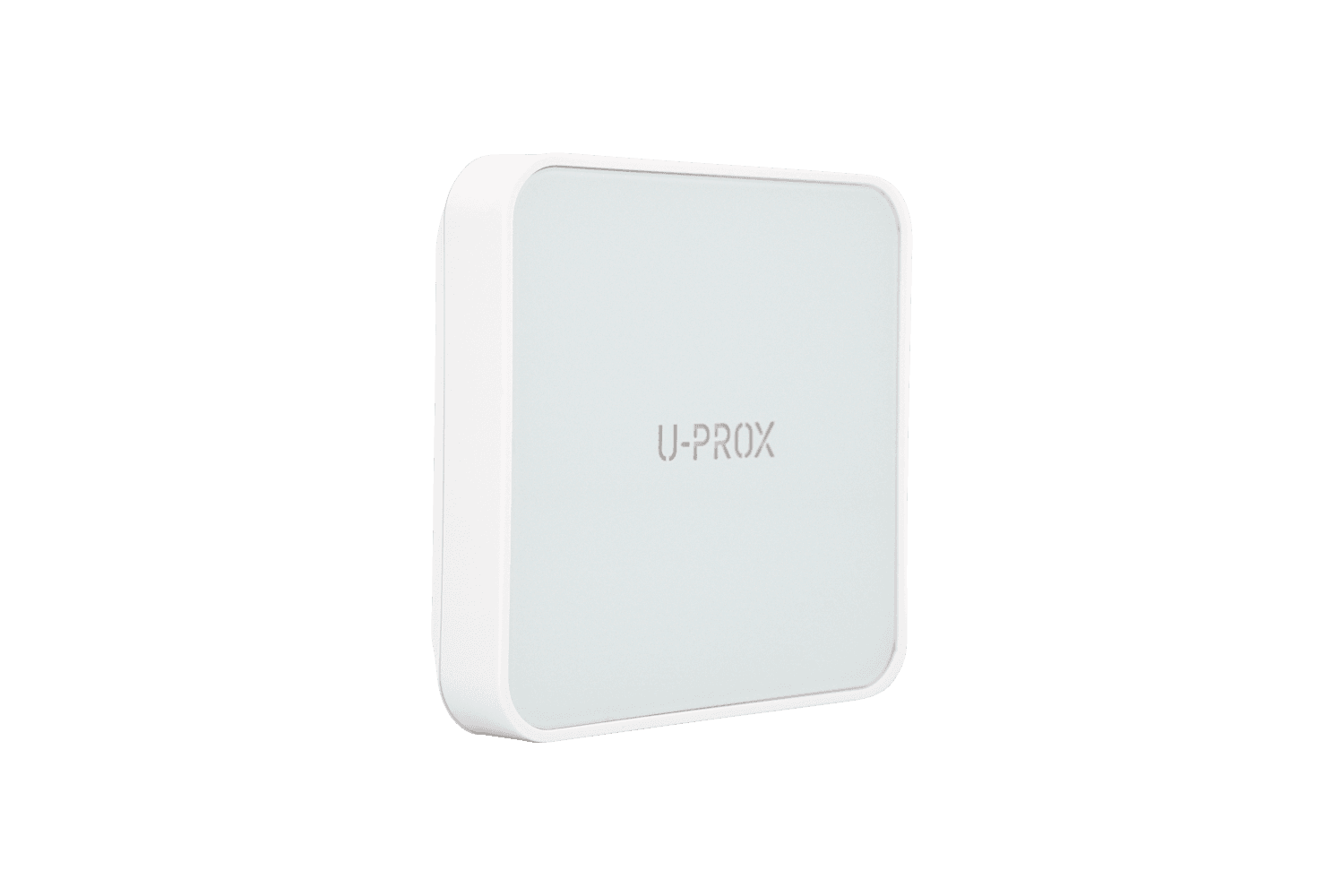
Why Active Deterrence Matters
Most people think of a security camera as a passive witness, something that records evidence after the fact. Modern cameras do far more than that. Many models now include built-in sirens, spotlights and two-way audio, allowing the camera itself to respond to whatever it detects rather than simply filing it away for later. This is often called active deterrence, and it can be the difference between a camera that documents a break-in and one that prevents it happening at all.
Two-Way Audio: Talking to Visitors and Intruders
Two-way audio lets you hear what is happening on camera and speak back through a built-in speaker, either live or via a pre-recorded message. On a doorbell camera, this is mostly used for convenience, telling a delivery driver where to leave a parcel or checking who is at the door before opening it. On a garden or driveway camera, the same feature becomes a deterrent tool.
If motion is detected after dark, you can speak directly through the camera to make clear that someone is watching. In many cases, simply hearing a voice is enough to send an opportunist elsewhere, because it removes the anonymity they were relying on. Some cameras also support automatic voice warnings, so you do not need to be watching the app at that exact moment for the deterrent to work.
Built-In Sirens: Loud Warnings That Work
A built-in siren is one of the simplest and most effective deterrents available. When triggered, either manually through the app or automatically by a detection event, it produces a loud alarm sound directly from the camera itself. Unlike a distant house alarm, the noise comes from exactly where the intruder is standing, which tends to have a strong psychological effect.
Sirens are particularly useful on:
- Driveways and gates, where vehicle theft or tampering is a concern
- Sheds, garages and outbuildings that are not covered by a main house alarm
- Solar and battery cameras protecting boats, caravans or holiday homes
- Commercial yards and storage sites where a fast, loud response is needed outside working hours
Spotlights and Strobe Lighting
Bright white spotlights, often paired with the siren, add a visual element to the deterrent. A sudden burst of light does two useful things at once: it startles anyone loitering nearby, and it improves the camera’s own footage by switching from infrared black and white to full colour video. This is especially valuable for identifying clothing, vehicle colour or facial features, none of which infrared night vision alone can capture clearly.
Some cameras allow the spotlight to flash or strobe rather than stay on continuously, which tends to be even more disorientating and noticeable from a distance. Others let you schedule the light to come on automatically at dusk as a standing deterrent, independent of any detection event.
Automated vs Manual Triggering
There are two broad ways these features can be used. Automated triggering ties the siren, light or audio warning to the camera’s motion or smart detection settings, so the response happens instantly without you needing to be present. This is ideal for overnight protection or when you are away from home.
Manual triggering, usually done through the camera app, gives you direct control in real time. This suits situations where you are watching a live feed and want to respond to something specific, such as someone lingering by a car or trying a door handle. Many households use a combination of both: automated warnings as a first line of defence, with the option to step in manually if the situation continues.
Choosing the Right Combination for Your Property
Not every camera needs every feature. A front doorbell mainly benefits from two-way audio for everyday convenience, while a rear garden or boundary camera may get more value from a loud siren and spotlight combination. When comparing cameras, it is worth checking:
- Whether the siren volume and spotlight brightness are adjustable, so you can avoid disturbing neighbours unnecessarily
- Whether automated responses can be linked to smart detection, such as person or vehicle recognition, rather than any motion at all
- Whether the feature works on battery and solar-powered cameras without draining power too quickly, since sirens and lights use noticeably more energy than recording alone
- Whether the camera supports scheduling, so deterrence features only activate during the hours you actually need them
Practical Considerations Before You Rely on Deterrence
Active deterrence features are a strong addition to a security setup, but they work best alongside good camera placement and reliable detection settings rather than as a replacement for them. A siren that fires constantly because of passing traffic or garden foliage will quickly be ignored by neighbours and may even be switched off out of frustration. Take time to tune motion zones and detection sensitivity first, then layer sirens, lights and audio warnings on top.
It is also worth checking local rules on noise, particularly for outdoor sirens in residential areas, and being mindful of privacy when using two-way audio near shared spaces or neighbouring properties. Used sensibly, these features add a genuinely active layer of protection rather than just a recording of what happened afterwards.
Conclusion
Sirens, spotlights and two-way audio turn a security camera from a silent observer into something that can respond in the moment, often stopping trouble before it escalates. When choosing a camera, think about where it will be placed and what kind of response makes sense there, then look for adjustable, schedulable deterrence features that work well with the camera’s existing detection settings.
 Buying GuidesMotion Detection Zones and Privacy Masks: Setup Guide
 Buying GuidesSecurity Cameras for Holiday Homes and Cottages: Setup Guide
 Buying GuidesSecurity Cameras in Winter: Cold Weather Tips and Fixes