Buying Guides · actualizado 2026-10-16
PoE, Wi-Fi or 4G? How to Choose the Right Connection for Your Security Camera
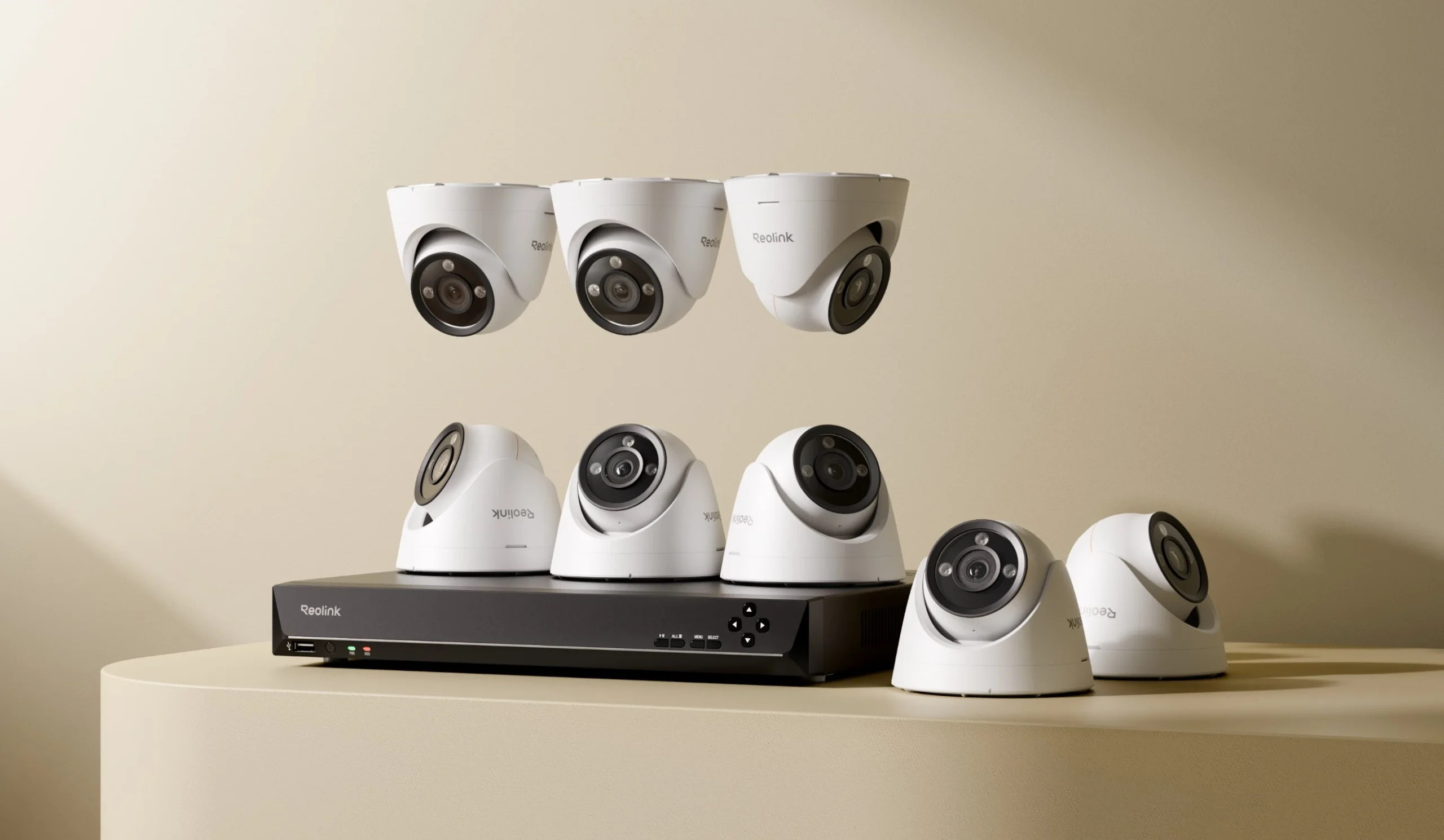
Choosing a security camera used to be mostly about resolution. Today the more important question is how the camera connects: over an Ethernet cable with PoE, over your home Wi-Fi, or over a 4G mobile network. Each approach suits a different property, and picking the right one saves you both installation headaches and blind spots later.
PoE: the professional’s choice
Power over Ethernet cameras receive both power and data through a single network cable. That means no power outlet is needed at the mounting point, the video feed is immune to Wi-Fi interference, and recordings keep flowing even when the wireless network is congested. PoE is the right answer for warehouses, offices, shops and any home where you can run a cable — and with PoE extenders the cable run can go well beyond the standard 100 metres. Browse our full range of PoE cameras, including 360° fisheye models that cover an entire room with a single device.
Wi-Fi: quick to install, best indoors
Wi-Fi cameras are the fastest way to get eyes on your home: plug into a power outlet, connect to the app, done. They shine indoors and in smaller homes where the router signal is strong. Brands like EZVIZ and Imou have made app-first setup genuinely effortless, with two-way audio, motion zones and smart person detection as standard. The main rule of thumb: if the camera will sit more than a couple of walls away from your router, test the signal first or consider PoE instead.
4G: security where there is no internet
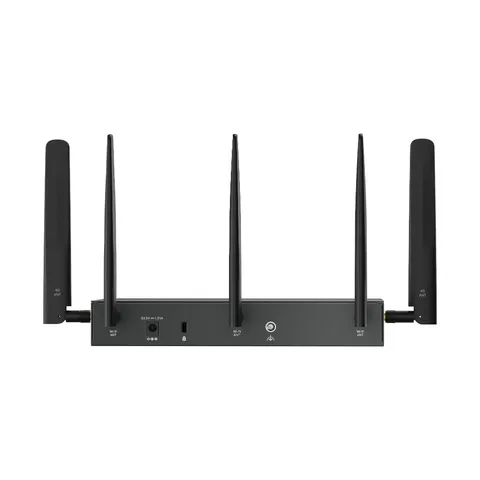
Summer cottages, construction sites, boats, farms and remote garages often have no fixed internet at all. A 4G camera solves this with a SIM card and, in many models, a battery or solar panel — a fully self-contained security system with no wiring whatsoever. You can check the live view from anywhere and get motion alerts to your phone just as you would at home. See our 4G and Wi-Fi camera range for models with dual lenses and colour night vision.
Which one should you pick?
A simple way to decide: if you can run a cable, run a cable — PoE gives the most reliable footage. If you cannot, but the location has good Wi-Fi, a modern Wi-Fi camera is more than enough for everyday home security. And if the site has neither power nor internet, a 4G model with a solar panel keeps watch entirely on its own.
Still unsure? Write to us at [email protected] and describe your property — we will suggest a setup that fits, with official EU-warranty products from established brands.
 Buying GuidesMotion Detection Zones and Privacy Masks: Setup Guide
 Buying GuidesSecurity Cameras for Holiday Homes and Cottages: Setup Guide
 Buying GuidesSecurity Cameras in Winter: Cold Weather Tips and Fixes