Buying Guides · оновлено 2026-10-16
CCTV and Privacy Law in Europe: A Practical Guide
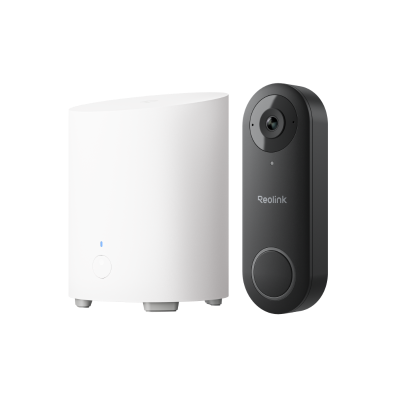
Buying a security camera is the easy part. Setting it up so that it protects your home without breaching your neighbour’s privacy, or falling foul of data protection rules, takes a little more thought. Across Europe, home CCTV is generally legal and widely used, but there are sensible boundaries that every household should understand before mounting a camera on the wall.
Why This Matters for Home Users
Most people assume privacy law only applies to businesses. In reality, national data protection authorities across the EU regularly deal with complaints from neighbours about domestic cameras. The rules are not designed to stop you protecting your own property, but they do expect you to be reasonable about what you record and how you handle that footage.
The GDPR Household Exemption, and Its Limits
The General Data Protection Regulation includes a so-called household exemption, which means purely personal or domestic use of a camera, filming your own garden, driveway or front door, is not subject to the full weight of GDPR. However, this exemption has real limits. If your camera’s field of view regularly captures a neighbour’s garden, a shared driveway, or the public pavement in detail, that footage can be considered processing of personal data, and the exemption may no longer fully apply.
In practice, this means the safest approach is to angle cameras so they capture your own property and only the minimum necessary strip of shared or public space, such as the area directly in front of your gate.
Filming Neighbours and Shared Spaces
Doorbell cameras and porch cameras are the most common source of neighbour disputes, simply because their wide-angle lenses often capture more than the front step. A few practical points to keep in mind:
- Avoid pointing a fixed camera directly into a neighbour’s window, garden or private entrance.
- If a shared driveway or path is unavoidable in the frame, try to angle the camera to minimise the amount of neighbouring property visible.
- Use privacy masking, a feature on many modern cameras that blacks out a defined zone in the image, to blank out a neighbour’s window or garden even if it falls within the lens’s range.
- Keep footage only as long as you reasonably need it, rather than retaining months of recordings by default.
- Be willing to show a neighbour relevant footage if they ask about an incident involving them, rather than refusing outright.
Audio Recording Adds Extra Sensitivity
Many doorbells and cameras now include two-way audio or continuous audio recording. Audio is treated more sensitively than video in several European countries, because recording private conversations without consent can breach wiretapping or communications privacy laws, separate from data protection rules. If your camera captures audio from a neighbour’s garden or a public path where people are talking, it is worth checking whether audio recording can be disabled or limited to short clips triggered by motion, rather than running continuously.
Signage and Letting People Know
Transparency is one of the simplest ways to stay on the right side of the rules. A small, visible sign or sticker indicating that the property is under video surveillance is good practice, particularly if your camera covers any part of a public footpath, communal entrance or shared parking area. It does not need to be elaborate, a simple notice near the camera or at the property boundary is usually enough for a domestic setup.
Doorbells and Shared or Communal Entrances
Video doorbells raise a specific issue in apartment blocks and shared driveways, since the recorded area often includes communal space used by other residents. If you live in a block of flats or share access with neighbours, it is worth checking whether the building has existing rules about surveillance in shared areas, and letting other residents know a doorbell camera is in use. This avoids surprises and reduces the chance of complaints later.
Practical Setup Tips to Stay on the Right Side of the Rules
None of this means you need to compromise on security. A few adjustments at installation time usually resolve most concerns:
- Walk around your property before fixing the camera bracket and check exactly what the lens will capture at the intended angle.
- Tilt cameras downward slightly rather than aiming straight across a boundary line, which naturally reduces how much neighbouring property is visible.
- Set motion detection zones to exclude areas you don’t need to monitor, such as a neighbour’s parking space, even if it technically sits within the camera’s field of view.
- Review recordings periodically and delete footage you no longer need, rather than letting storage fill up indefinitely.
- If a neighbour raises a concern, treat it as a practical problem to solve, adjusting the angle or adding a privacy mask, rather than a legal argument to win.
A Quick Word on Recording Public Streets
Filming a public street from your own property for security purposes is generally accepted practice across most of Europe, provided the primary purpose is protecting your home rather than monitoring the general public. Cameras that happen to catch passers-by on a pavement are treated differently from cameras deliberately positioned to track people walking down the street. Keeping the camera’s focus clearly centred on your own entrance, rather than sweeping widely across the road, is the simplest way to demonstrate reasonable use if it’s ever questioned.
Conclusion
Good home security and respect for your neighbours’ privacy are not in conflict, they just require a little care at the setup stage. Angle your cameras thoughtfully, use privacy masking where it’s available, limit audio recording to what you actually need, and put up simple signage where cameras cover any shared or public space. Get these basics right, and you can enjoy full peace of mind from your camera system without ever needing to think about a knock on the door from an unhappy neighbour.
 Buying GuidesMotion Detection Zones and Privacy Masks: Setup Guide
 Buying GuidesSecurity Cameras for Holiday Homes and Cottages: Setup Guide
 Buying GuidesSecurity Cameras in Winter: Cold Weather Tips and Fixes