Buying Guides · frissítve: 2026-10-16
Camera Field of View Explained: Choosing the Right Lens
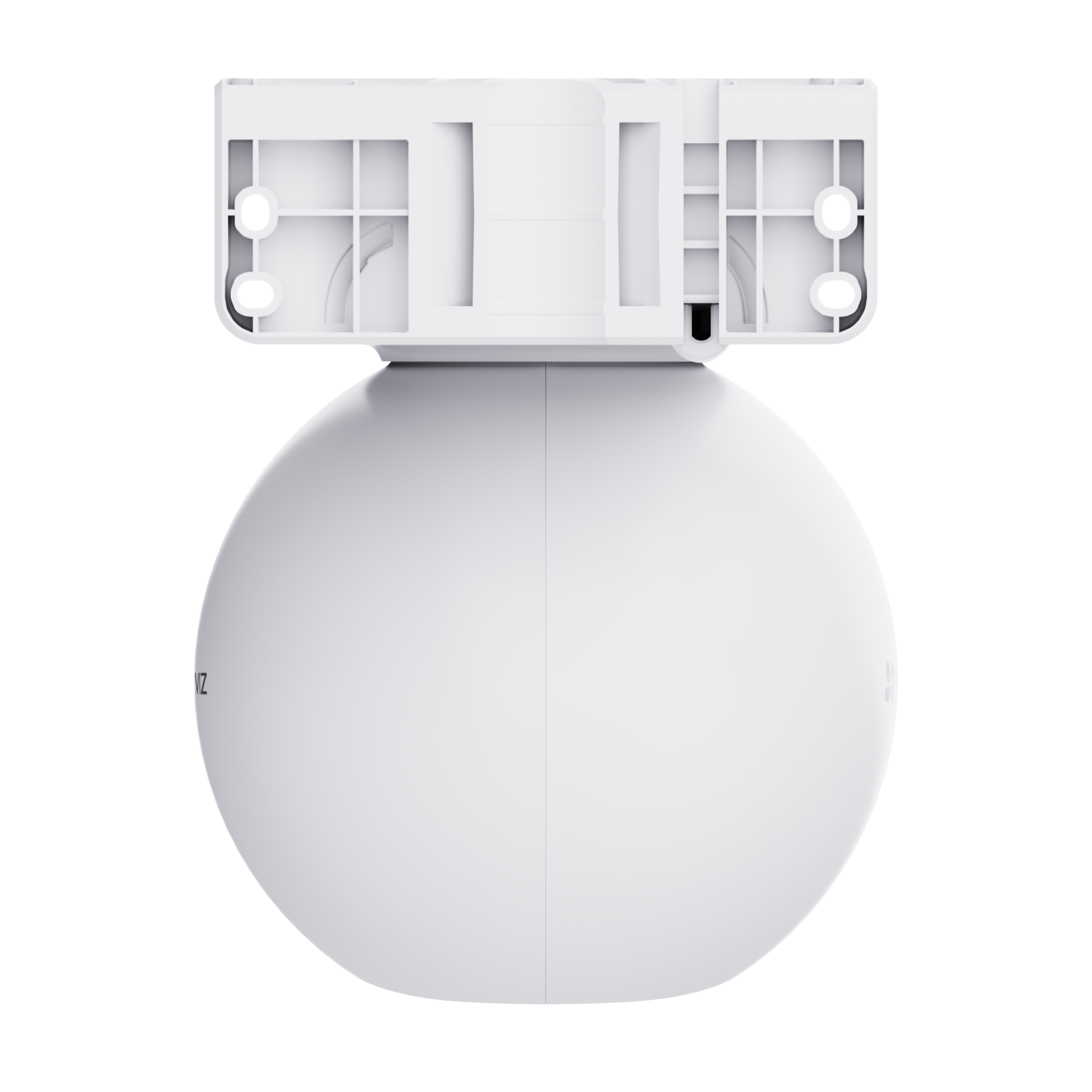
Why Field of View Matters More Than You Think
When choosing a security camera, most people focus on resolution and night vision, yet the lens angle often has the biggest impact on how useful your footage actually is. A camera with the wrong field of view can leave gaps in coverage, blur faces at a distance, or waste its resolution on empty sky and pavement. Understanding how focal length and field of view work together will help you get far more value from every camera you install.
What Focal Length Actually Means
Focal length is usually given in millimetres and describes how the lens bends light onto the sensor. A short focal length, such as 2.8mm, produces a wide field of view, capturing a broad scene but making distant objects appear smaller and less detailed. A longer focal length, such as 8mm or 12mm, narrows the field of view and effectively zooms in, making faces and number plates clearer at distance but covering a smaller area.
As a rough guide, a 2.8mm lens might give a horizontal field of view of around 100 to 110 degrees, while an 8mm lens narrows that down to roughly 40 degrees. The trade-off is always the same: wider coverage versus finer detail at range.
Wide Angle vs Narrow Angle: The Trade-Off
Wide-angle lenses are excellent for general area monitoring. They let a single camera watch an entire driveway, garden, or open-plan room, which reduces the number of cameras you need to buy and install. The downside is that anyone standing more than a few metres away can become difficult to identify, since their image occupies only a small portion of the frame.
Narrow-angle lenses do the opposite. They sacrifice coverage for detail, which is ideal when you need to read a vehicle registration plate at the end of a long drive or clearly identify visitors at a distant gate. The compromise is that anything happening outside that narrower cone is invisible to the camera.
Fixed vs Varifocal Lenses
Most affordable home cameras come with a fixed lens, meaning the focal length is set at manufacture and cannot be changed. This works well when you know exactly what you need to cover and at what distance.
Varifocal lenses, found on some higher-end PoE and bullet cameras, allow you to physically adjust the zoom and focus during installation. This flexibility is particularly useful for professional or larger installations, where the exact mounting height and distance to the area of interest might not be known until the camera is actually in place. Some models also offer motorised zoom, which can be adjusted remotely without climbing a ladder again.
Matching the Lens to the Job
Rather than picking a lens angle at random, it helps to think about the primary purpose of each camera position. The following list outlines common scenarios and the type of field of view generally suited to each:
- Front door or entrance: A moderate wide angle, often around 100 to 110 degrees, balances covering the porch area while still keeping visitors large enough in frame to identify.
- Driveway or gate entry: A narrower lens, or a varifocal set toward the telephoto end, helps capture number plates clearly as vehicles approach.
- Open garden or yard: A wide-angle lens maximises coverage from a single mounting point, useful when budget or mounting positions are limited.
- Long corridors or narrow side passages: A narrower field of view avoids wasting resolution on walls either side and keeps detail on anyone walking through.
- Car parks or large open areas: Multi-sensor cameras or a combination of wide and narrow lenses often work better than a single camera trying to do everything.
Multi-Sensor Cameras: The Best of Both Worlds
Some newer camera designs combine two or more lenses in a single housing, each covering a different angle or direction. This approach lets one unit provide both a wide overview and a narrower, more detailed view of a specific point of interest, such as a gate or pathway. While these cameras tend to cost more than a single-lens model, they can reduce the total number of devices needed on a property and simplify cabling, particularly for PoE installations where run length and switch ports are a consideration.
Detection Distance vs Identification Distance
It is worth remembering that a camera can often detect motion at a much greater distance than it can produce a usable, identifiable image. Manufacturers sometimes quote detection range separately from clear identification range, and the difference can be significant. When planning camera placement, always think in terms of the distance at which you need to recognise a face or read a plate, not simply the distance at which the camera notices movement at all.
A useful practical test, where possible, is to view sample footage or a live preview at the intended mounting height and distance before finalising your camera choice. This avoids the common mistake of buying a camera with plenty of resolution on paper that still produces disappointing detail once installed too far from the subject.
Practical Conclusion
Choosing the right field of view is about matching the lens to the specific job each camera needs to do, rather than assuming wider is always better or narrower is always more secure. For general coverage, a wide-angle fixed lens is usually sufficient and cost-effective. For entry points, driveways, or anywhere identification is critical, a narrower or varifocal lens will serve you far better. Where a single position needs to do both jobs at once, a multi-sensor camera can be a sensible compromise. Taking a few minutes to think through each camera’s primary purpose before buying will save you from gaps in coverage or blurry, unusable footage later on.
 Buying GuidesKamera tápkábelének hosszabbítása: biztonságos megoldások
 Buying GuidesMotion Detection Zones and Privacy Masks: Setup Guide
 Buying GuidesSecurity Cameras for Holiday Homes and Cottages: Setup Guide