Buying Guides · обновено 2026-10-16
Wired vs Wireless Security Cameras: Which Should You Choose in 2026?
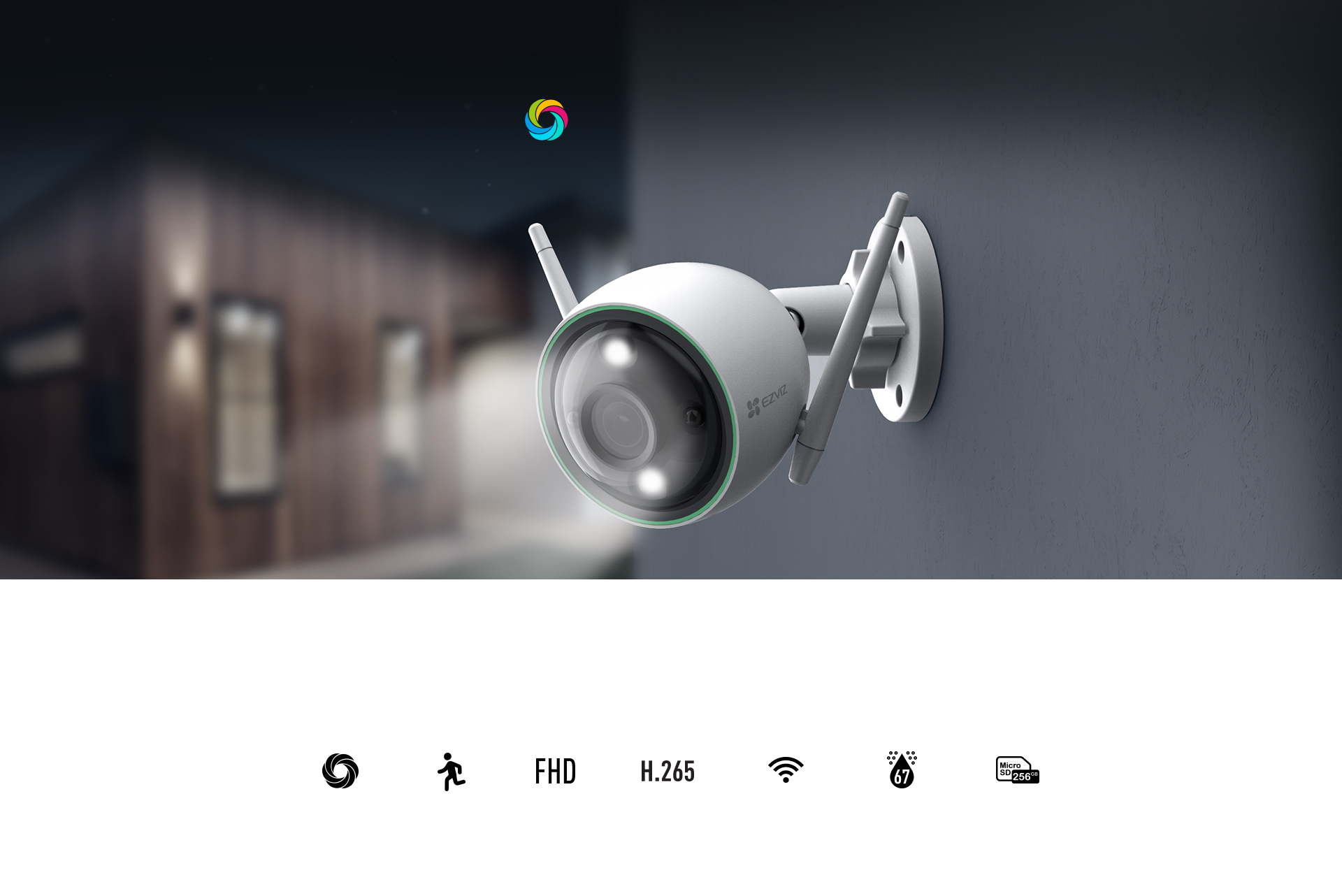
Choose a wired PoE camera when you need maximum reliability, consistent image quality and 24/7 recording; choose a wireless Wi-Fi, battery or 4G camera when easy installation, a rented home or a location without cabling matters more. Many homes and businesses get the best result by combining both types in one system.
When is a wired (PoE) camera the better choice?
A wired PoE (Power over Ethernet) camera receives both power and data through a single network cable, so it never depends on Wi-Fi signal strength or battery charge. That makes PoE the first choice for continuous 24/7 recording, larger multi-camera systems and any installation where dropouts are unacceptable — shops, warehouses, offices and family homes with a permanent NVR.
- Rock-solid connection that does not share bandwidth with your Wi-Fi
- No batteries to charge and no transmitters to pair
- Best long-term choice for 4K continuous recording
- One cable per camera keeps installations tidy
A proven example is the Reolink RLC-810A, a 4K PoE camera with smart person and vehicle detection. Browse the full PoE camera range for more options.
When is a wireless (Wi-Fi, 4G or battery) camera better?
A wireless camera wins whenever running a cable is impractical or forbidden: rented apartments, finished interiors, garden sheds, construction sites, boats and summer houses. Battery models install in minutes and 4G models work even where there is no network at all — they use a SIM card instead.
- Installation in minutes, no drilling cable routes
- Battery models such as the Reolink Argus 4 Pro or the EZVIZ battery camera line run weeks to months per charge
- The Reolink Go series streams over 4G at remote sites with no internet connection
- Easy to move when your needs change
See all 4G and Wi-Fi cameras in one place.
What about video storage?
Wired systems usually record to an NVR (network video recorder) around the clock, keeping weeks of footage locally with no subscription. Wireless cameras typically record motion events to a microSD card in the camera and can optionally back up to the cloud. If you need guaranteed, continuous evidence-grade footage, an NVR-based PoE system is the safer choice; for everyday awareness at home, event recording on SD is enough for most users.
Wired vs wireless: quick comparison
| Criteria | Wired (PoE) | Wireless (Wi-Fi/4G/battery) |
|---|---|---|
| Reliability | Highest — dedicated cable | Good, depends on signal and battery |
| Installation | Cable routing needed | Minutes, tool-light |
| Power | Over the network cable | Battery, solar or mains adapter |
| Placement flexibility | Fixed positions | Anywhere with signal — easy to move |
| Best use cases | 24/7 recording, business, multi-camera homes | Rentals, remote sites, quick coverage |
Frequently asked questions
Does a Wi-Fi camera work without internet?
Yes — most Wi-Fi cameras keep recording motion events to their microSD card even when the internet is down. You only lose remote live view and app notifications until the connection returns. For places with no internet at all, a 4G camera with a SIM card is the right tool.
How long do battery cameras last on one charge?
Typically from several weeks to a few months, depending on how many motion events they record and the streaming time. Cold weather and busy scenes shorten battery life; adding a solar panel makes many models effectively self-sufficient.
Is PoE hard to install?
No. PoE uses safe low-voltage cabling, so you can run the cable yourself, plug it into the camera and into a PoE switch or NVR, and the camera powers up and appears automatically. The only real work is routing the cable neatly.
Can wired and wireless cameras be combined in one system?
Yes. A common setup uses PoE cameras for critical areas and battery or Wi-Fi cameras for spots without cabling. Within one brand ecosystem, such as Reolink, both types can appear side by side in the same app and even on the same home hub or NVR.
Which is better for an apartment or rental?
A wireless battery or plug-in Wi-Fi camera. It installs without drilling, leaves no marks when you move out, and can come with you to the next home.
All cameras mentioned here ship from CAMERAWORLD.EU EU stock with fast delivery and a 14-day return policy — so you can test which approach fits your home or business best.
 Buying GuidesMotion Detection Zones and Privacy Masks: Setup Guide
 Buying GuidesSecurity Cameras for Holiday Homes and Cottages: Setup Guide
 Buying GuidesSecurity Cameras in Winter: Cold Weather Tips and Fixes